Bangladesh 2.0 aims to redefine the nation's trajectory by embracing cutting-edge technology, promoting inclusive growth, and ensuring sustainability.
Digital Transformation
Creating a nationwide digital ecosystem to enhance connectivity and access to services for all citizens.
Green Energy
Investments in solar and wind energy to ensure a sustainable and eco-friendly future.
Modern Infrastructure
Building state‑of‑the‑art infrastructure to support economic growth and global competitiveness.
"Bangladesh 2.0 aims to reshape the nation’s journey by embracing technology, empowering its people, and ensuring inclusive growth for every citizen. From modern infrastructure to digital services in villages, the country is preparing to compete confidently on the global stage.
With investments in renewable energy, smart cities, and efficient transport, Bangladesh is moving toward a greener and more sustainable future. Education, innovation, and youth leadership are at the center of this transformation, so that every generation can contribute to a stronger, smarter, and more resilient Bangladesh.
Dr. Muhammad Yunus
Chief Adviser of the People's Republic of Bangladesh
Your Opinion Matters
Questions
Select Your Opinion
Do you believe Bangladesh is on the right path toward becoming a developed nation?
Do you believe Bangladesh is on the right path toward becoming a developed nation?
Do you believe Bangladesh is on the right path toward becoming a developed nation?
Recent News
Bangladesh 2.0 aims to redefine the nation's trajectory by embracing cutting-edge technology, promoting inclusive growth, and ensuring sustainability. With initiatives in renewable energy, digital transformation, and robust infrastructure, the country is set to become a global model of development.
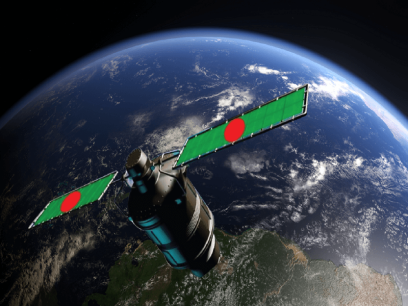
Bangladesh Launches New Satellite
Date: 05/01/2025 Time: 10:25 PM
Bangladesh has taken a bold step toward strengthening its communication and broadcasting capacity by launching a new satellite. This milestone is expected to improve connectivity, disaster management support, and digital services for people across the country.
Starlink internet news
Date: 05/01/2025 Time: 10:25 PM
Starlink’s high-speed satellite internet service has started operating in Bangladesh, opening a new chapter for nationwide digital connectivity. This service is designed to reach remote villages, riverine islands, and disaster-prone coastal belts where laying fiber or maintaining mobile towers is difficult and expensive.
By using low-Earth-orbit satellites, Starlink can provide more stable latency and faster speeds than many legacy satellite links, helping students, entrepreneurs, and emergency responders access real-time online services. Over time, this expanded coverage is expected to support digital education, telemedicine, e-government services, and climate-resilient communication networks across Bangladesh.
Bangladesh Scales Up Rooftop Solar
Date: 05/01/2025 Time: 10:25 PM
Bangladesh is rapidly scaling up rooftop solar projects as part of a broader shift toward clean and reliable electricity. These systems are being installed on homes, factories, schools, and commercial buildings to generate power directly where it is consumed, which helps ease demand on the national grid and reduce losses during transmission.
By replacing a portion of fossil fuel-based generation, rooftop solar cuts fuel imports, lowers electricity costs over the long term, and reduces air pollution in crowded urban areas. This transition also creates new green jobs in installation, maintenance, and local manufacturing, supporting a more resilient and climate-friendly energy future for communities across the country.
Donate Today
Bangladesh 2.0 aims to redefine the nation's trajectory by embracing cutting-edge technology.
Subscribe Newsletter
Bangladesh 2.0 aims to redefine the nation's trajectory by embracing cutting-edge technology.